UAE Fuel Prices September 2026: What Drivers Are Paying
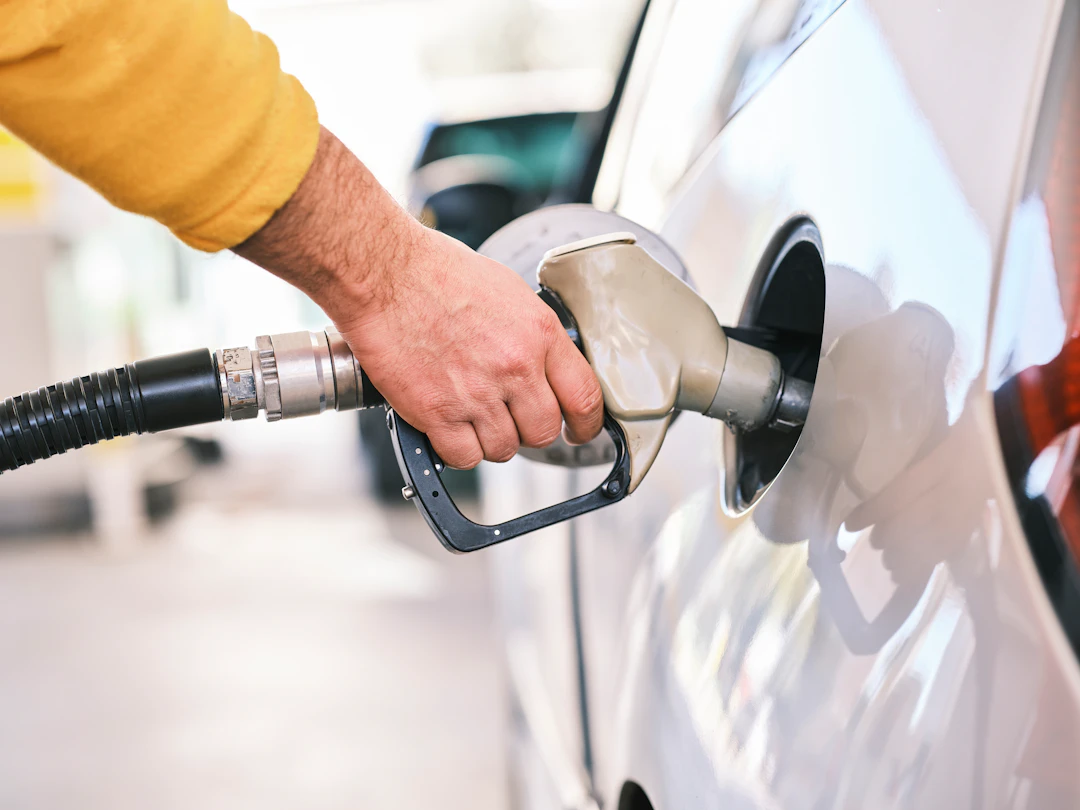
The UAE’s Fuel Price Committee has released the new pump prices for September 2026, and diesel drivers are feeling it most. While petrol grades rose by a fairly consistent 20 fils a litre, diesel jumped by 50 fils — a move that will ripple through delivery costs, taxi fares, and anything that travels by truck. Here’s what actually changed, why, and how to keep your own running costs in check.
The New Rates for September 2026
Effective from September 1, the litre prices across the UAE are:
- Super 98: Dh3.80 (up from Dh3.60 in August)
- Special 95: Dh3.69 (up from Dh3.49)
- E-Plus 91: Dh3.61 (up from Dh3.41)
- Diesel: Dh4.30 (up from Dh3.80)
Every petrol grade increased by the same 20 fils, working out to a roughly 5.6–5.9% rise depending on the grade. Diesel stands apart with a 13.2% jump, the steepest single-month move of the year so far.
Why Prices Keep Climbing
The UAE has used an automated, market-linked pricing mechanism since 2015, so pump prices track international benchmarks rather than being fixed by the government indefinitely. According to Gulf News, the September adjustment reflects prevailing trends in global energy markets, with monthly oil averages staying elevated even though Brent crude eased slightly in late August. Diesel in particular tends to move more sharply than petrol because it is priced closer to international wholesale benchmarks and is more exposed to shifts in global refining margins and freight demand.
Zooming out, UAE fuel prices have been broadly rising since February 2026, with a brief dip in July before climbing again through August and September. For households and small businesses, that pattern makes it worth budgeting for volatility rather than assuming next month will look like this one.
What It Means for Your Monthly Fuel Budget
A 20-fils rise sounds small until you multiply it across a full tank and a full month of commuting. A driver filling a 50-litre tank twice a week on Special 95 is now paying roughly Dh20 more per fill-up than in August, which adds up to around Dh160 extra a month. Diesel pickup and SUV owners covering longer distances will see a bigger jump given the 50-fils increase.
If you want a precise picture rather than rough math, the UAE Fuel Calculator on our homepage lets you plug in your specific car and typical weekly distance to see what September’s rates actually cost you, rather than relying on averages.
How to Offset the Increase
A few practical moves can claw back some of that extra spend without changing your lifestyle drastically:
Rethink your next car, not just your driving
If fuel costs are becoming a recurring headache, it’s worth comparing how different models actually perform at the pump before your next purchase or lease renewal. Our car comparison tool lets you weigh two models side by side on real running costs, not just sticker price, which matters more now that the gap between efficient and thirsty cars is worth real money every month.
Know your car’s actual consumption
Many UAE drivers are still going on manufacturer estimates that don’t reflect stop-start city traffic or constant AC use. Our vehicle database covers fuel consumption figures for popular UAE models, so you can see where your car sits before deciding whether a change makes sense.
Smooth out driving habits
Harsh acceleration and braking can raise consumption by a meaningful margin in city driving. Keeping tyres at the correct pressure, avoiding unnecessary idling in traffic, and combining short errands into one trip are unglamorous but genuinely effective ways to blunt the impact of a price rise like this one.
Time your fill-ups where you legally can
Because UAE fuel prices are announced and fixed for the full calendar month, there’s no benefit to chasing daily price swings the way drivers in some other markets do — the rate you see on September 1 is the rate you’ll pay until the next announcement. What does help is planning ahead: if a price rise is expected or already confirmed, topping up before the change takes effect on outstanding errands can save a few dirhams, though it’s a marginal tactic compared with genuinely reducing consumption.
The Takeaway
September’s fuel prices confirm that 2026 has been a volatile year at the pump, and diesel owners have taken the bigger hit this round. Rather than just absorbing the increase, run your own numbers — a quick check with a fuel cost calculator or a side-by-side model comparison often reveals savings that are easy to miss when you’re only looking at the litre price on the sign.